Source candy pattern velvet pouch for Cosmetic, Jewelry, Gift
Explore 30 options for the candy pattern velvet pouch suitable for cosmetic, jewelry, and gift packaging. Buyers can compare customization, printing methods, and material features like softness and eco-friendliness across cylindrical and rectangular styles.
Key considerations
Products List


Comprehensive Sourcing Guide
Strategic Sourcing Guide for Candy Pattern Velvet Pouches
Understanding Product Specifications and Material Composition
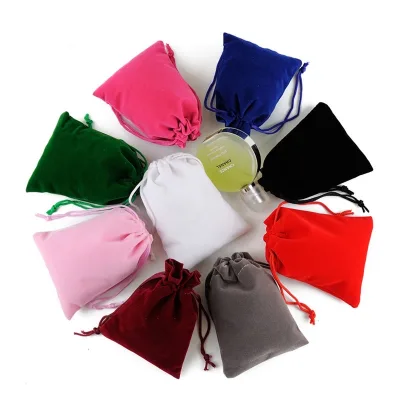
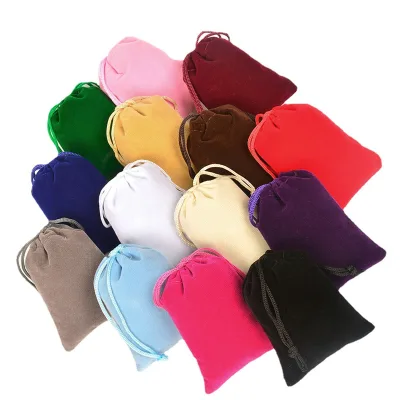
When sourcing velvet pouches featuring a candy pattern, buyers must first establish a clear understanding of the technical specifications that define the product's quality and utility. The core material for these items is predominantly velvet or microfiber, offering a soft, tactile surface that is essential for luxury packaging. The observed product attributes indicate a "Soft" to "Medium Soft" hardness profile, ensuring the pouches are gentle enough to protect delicate items like jewelry, cosmetics, or digital accessories without causing abrasion. The shape of these pouches varies, with observations noting both cylindrical and rectangular forms, allowing for diverse storage needs ranging from small trinkets to larger gift items.
The aesthetic appeal of the "candy pattern" is achieved through specific printing processes. The available techniques include silk-screen printing, stamping, and embroidery. These methods allow for the application of vibrant colors such as purple, red, gold, silver, and rose, which are critical for achieving the desired candy-like visual effect. The pattern itself is a standard feature, often customized to the buyer's request. Additionally, the pouches are available in various sizes, with specific models ranging from small dimensions like 4cm by 15cm to customizable middle sizes. The production models identified in the market include EF-307, EF-315, EF-326, EF-277, EF-156, and EF-322, each potentially offering slight variations in construction or intended use.
The structural integrity of the pouch is further defined by its closure mechanism. While some models utilize an envelope button pouch design, others feature a drawstring style, often enhanced with silk ribbons for an elegant finish. The packing method typically involves individual OPP bags for protection, consolidated into standard cartons for shipping. It is crucial to note that these velvet pouches are generally not waterproof, a limitation that buyers must account for when selecting them for applications involving liquids or high-moisture environments.
Compliance, Certification, and Quality Standards
In the B2B procurement of textile packaging, verifying compliance and certification is a non-negotiable step to ensure supply chain integrity. The supplied data confirms that manufacturers in this category often adhere to ISO9001 and SGS standards. These certifications indicate a commitment to quality management systems and third-party verification of product safety and consistency. However, buyers should not assume that every listed product automatically carries these certifications; verification must be conducted on a per-supplier basis.
The environmental aspect of the product is also a significant compliance factor. The observed attributes highlight features such as "Eco-friendly" and "Recyclable," suggesting that the raw materials, which include polyester, are selected with sustainability in mind. The making process is described as "Composite Packaging Bag," which implies a specific manufacturing technique that may impact the recyclability of the final product. Buyers should request specific documentation regarding the recyclability claims, as the term can vary in meaning depending on local waste management infrastructure.
Furthermore, the origin of the products is consistently listed as China. While this provides a clear geographical context for logistics, it necessitates a thorough review of import regulations and trade compliance specific to the buyer's region. The absence of specific test results in the general product data means that buyers must explicitly request test reports for flammability, colorfastness, and chemical content (such as azo dyes or heavy metals) to ensure the product meets the safety standards of their target market. Relying solely on the "SGS" mention without a specific test report number or date is insufficient for rigorous quality assurance.
Cost Drivers and Pricing Dynamics
The pricing of candy pattern velvet pouches is influenced by a complex interplay of material costs, customization levels, and order volume. The observed price range in the market spans from $0.01 to $1.53 USD per unit. This wide variance is not indicative of a single product tier but rather reflects the significant impact of customization and scale. The lower end of the spectrum typically corresponds to standard sizes, basic colors, and minimal customization, whereas the higher end reflects complex patterns, premium embroidery, and specialized packaging requirements.
Order Volume is a primary cost driver. The Minimum Order Quantity (MOQ) ranges from 50 to 10,000 units. Suppliers often employ tiered pricing structures where the unit cost decreases significantly as the order volume increases. For a buyer with a small MOQ requirement, the per-unit cost will be higher due to the fixed costs of setup for printing and embroidery. Conversely, large-scale orders can leverage economies of scale to reduce the cost per unit. Buyers must carefully calculate the total landed cost, including shipping and duties, rather than focusing solely on the unit price.
Customization is another major factor affecting cost. The ability to customize the logo, pattern, color, and size adds value but also increases production complexity. The "Logo Printing" and "Customized Logo" attributes indicate that branding is a standard service, but the choice between silk-screen printing and embroidery will impact the price. Embroidery generally commands a higher price point due to the labor intensity and time required compared to silk-screen printing. Additionally, the choice of raw materials, such as premium microfiber versus standard velvet, will influence the base cost. Buyers should request detailed cost breakdowns to understand exactly where the premium is being applied.
Typical Applications and Market Suitability
The versatility of candy pattern velvet pouches makes them suitable for a broad spectrum of applications. The observed usage categories include cosmetic packaging, jewelry storage, gift wrapping, and promotional items. The "Fashionable" style and "Soft" texture make these pouches particularly attractive for high-end retail environments where the unboxing experience is critical. They are frequently used to package small luxury items, enhancing the perceived value of the product inside.
Beyond retail, these pouches serve as effective promotional tools. The "Suit for: Promotion" and "Suit for: Business Gifts" attributes highlight their utility in corporate gifting and marketing campaigns. The ability to customize the logo and pattern allows companies to create branded merchandise that is both functional and aesthetically pleasing. The "Eco-friendly" and "Recyclable" features also align with the growing demand for sustainable promotional items, making them an attractive option for environmentally conscious brands.
The product is also applicable in the health care, garment, and shoe industries. The "Usage" data lists health care products, garments, shoes, greeting cards, digital products, toys, drinks, food, and arts and crafts. This wide applicability suggests that the pouches can be adapted for various storage needs, from protecting delicate eyewear to organizing small craft supplies. However, the "Not Waterproof" attribute is a critical limitation. Buyers must ensure that the intended application does not involve exposure to moisture, which could damage the velvet material or the contents. For applications requiring water resistance, buyers should inquire about treated velvet options or alternative materials.
Supplier Evaluation and Selection Criteria
Selecting the right supplier for candy pattern velvet pouches requires a rigorous evaluation process that goes beyond price comparison. Buyers should prioritize suppliers who demonstrate transparency in their production capabilities and quality control measures. The presence of ISO9001 and SGS certifications is a positive indicator, but buyers should verify the validity and scope of these certifications. A supplier's ability to provide sample products that match the "Candy Pattern" aesthetic and "Soft" texture is essential before committing to a large order.
Communication and responsiveness are key indicators of a reliable supplier. Given the high degree of customization available, including logo placement, printing methods, and size specifications, the supplier must be able to provide clear guidance and accurate timelines. Buyers should assess the supplier's flexibility in handling small MOQs versus large orders, as this can impact the feasibility of the project. The observed MOQ range of 50 to 10,000 suggests that suppliers cater to a wide range of buyers, from startups to established enterprises.
It is also important to evaluate the supplier's supply chain stability. Since the products originate from China, buyers should consider the potential for logistical delays and the supplier's ability to manage lead times effectively. While specific lead times are not provided in the general data, buyers should explicitly ask for estimated production and shipping times. A supplier with a robust quality control process, including pre-shipment inspections, will minimize the risk of receiving substandard goods. Finally, buyers should avoid suppliers who make unverifiable claims about performance or certifications without supporting documentation.
Quality Control and Long-Term Procurement Considerations
Implementing a robust quality control (QC) protocol is essential for maintaining product consistency in the procurement of velvet pouches. Buyers should establish clear acceptance criteria based on the observed attributes, such as the softness of the material, the clarity of the printed patterns, and the durability of the stitching or embroidery. Regular inspections should be conducted at critical stages of production, including raw material intake, during the printing and assembly process, and prior to shipment. The "Composite Packaging Bag" process should be scrutinized to ensure that the layers are properly bonded and that the pouch maintains its shape and function.
Long-term procurement considerations involve building a sustainable relationship with suppliers who can scale with the buyer's needs. As the buyer's demand grows, the ability to maintain consistent quality and pricing becomes increasingly important. Buyers should negotiate contracts that include clauses for quality assurance, such as penalties for non-conforming goods and provisions for rework or replacement. Additionally, staying informed about changes in material availability and printing technology can help buyers optimize their product offerings.
The "Eco-friendly" and "Recyclable" attributes suggest a trend toward sustainability that buyers should monitor. As regulations and consumer preferences evolve, the demand for greener packaging solutions is likely to increase. Buyers should work with suppliers who are proactive in adopting sustainable practices and can provide evidence of their environmental commitments. This includes verifying the source of the polyester and velvet materials and ensuring that the production process minimizes waste and energy consumption. By focusing on these long-term factors, buyers can secure a reliable supply of high-quality candy pattern velvet pouches that meet both current and future market demands.
FAQs
What materials are used for candy pattern velvet pouches?
These pouches are primarily made from velvet or microfiber materials. The soft texture ensures gentle handling of delicate items like jewelry or cosmetics, while the material composition supports the requested candy pattern aesthetics through specific printing techniques.
Which printing methods are available for custom logos?
Available printing methods include silk-screen printing, stamping, and embroidery. Buyers can customize logos as requested, with the choice of method influencing the final look and cost, as embroidery often commands a higher price point than silk-screen printing.
Can I customize the size and shape of the pouch?
Yes, size and shape are customizable to your specific request. Models range from specific dimensions like 4cm by 15cm to middle sizes, and shapes vary between cylindrical and rectangular forms to suit diverse storage needs for gifts or digital products.
What certifications do the manufacturers typically hold?
Manufacturers often adhere to ISO9001 and SGS standards for quality management. While these certifications indicate a commitment to safety and consistency, buyers should verify the validity and scope of these certifications on a per-supplier basis before placing large orders.
How does the minimum order quantity affect pricing?
The minimum order quantity ranges from 50 to 10,000 units, significantly impacting the unit cost. Lower order volumes typically result in higher per-unit prices due to setup costs, while larger orders leverage economies of scale to reduce the overall price per item.
Are these pouches suitable for promotional business gifts?
Yes, they are specifically suitable for promotion and business gifts. The fashionable style, soft texture, and ability to customize logos make them effective for corporate gifting and marketing campaigns, aligning well with the demand for sustainable and branded promotional items.
What is the typical price range for these pouches?
The observed price range in the market spans from 0.01 to 1.53 USD per unit. This variance reflects differences in customization levels, material quality, and order volume, with complex patterns and premium embroidery generally costing more than standard options.